Galileo
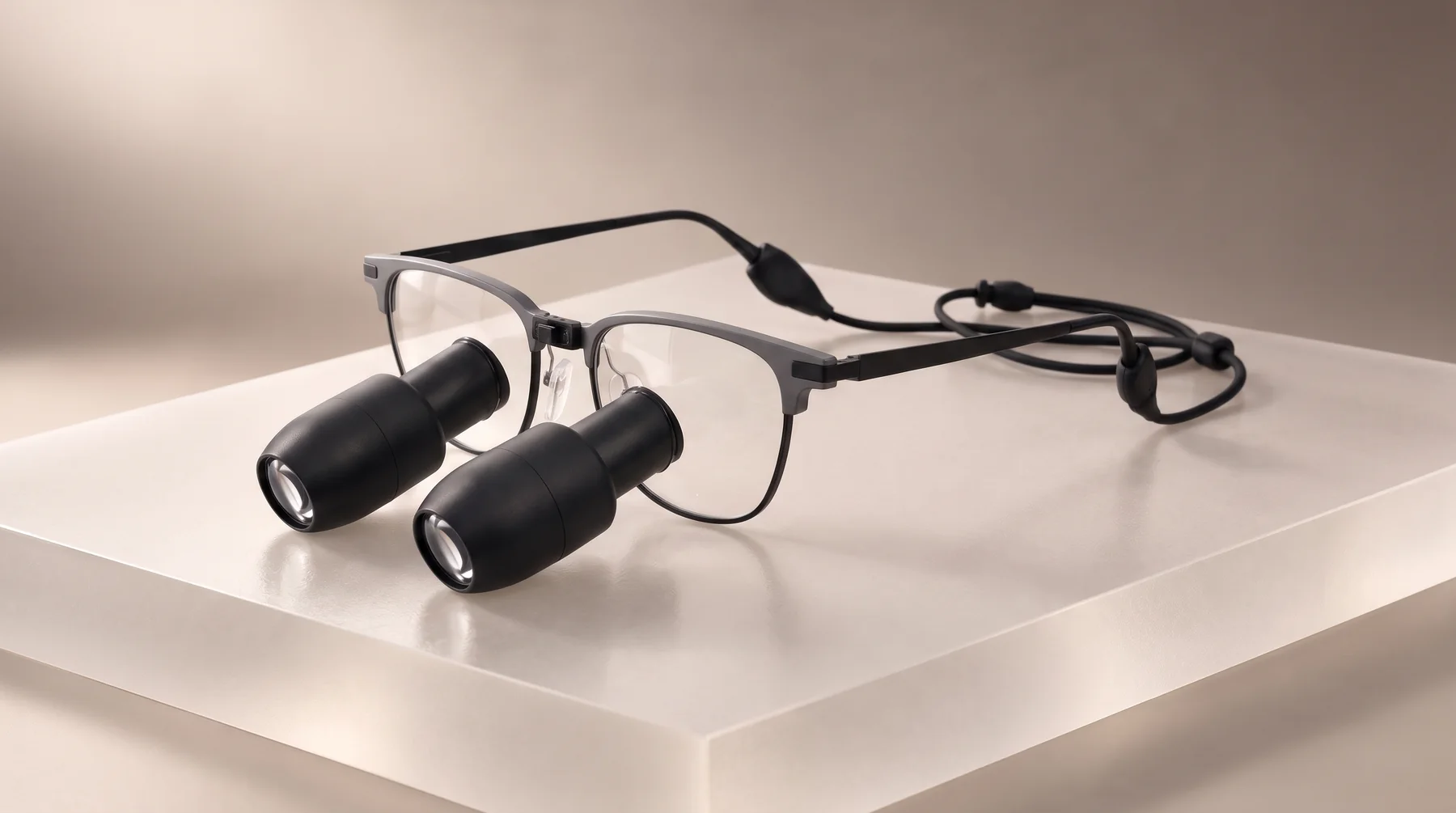
From $795Lightweight affordable surgical and dental loupes for students, residents, and everyday clinical use.
A lightweight Galilean option; not an ergonomic prismatic system.
Explore GalileoSurgical loupes
Surgical loupes are a pair of small telescopes mounted in a spectacle frame and focused at your working distance, so fine anatomy looks larger without you leaning in. Choosing a pair comes down to the optical design, the magnification, the working distance and the fit. This guide covers each one using the published specifications and prices of the five HeliosX models, from $695.
We make and sell HeliosX loupes. This is our buying guidance, not an independent product test or paid ranking.
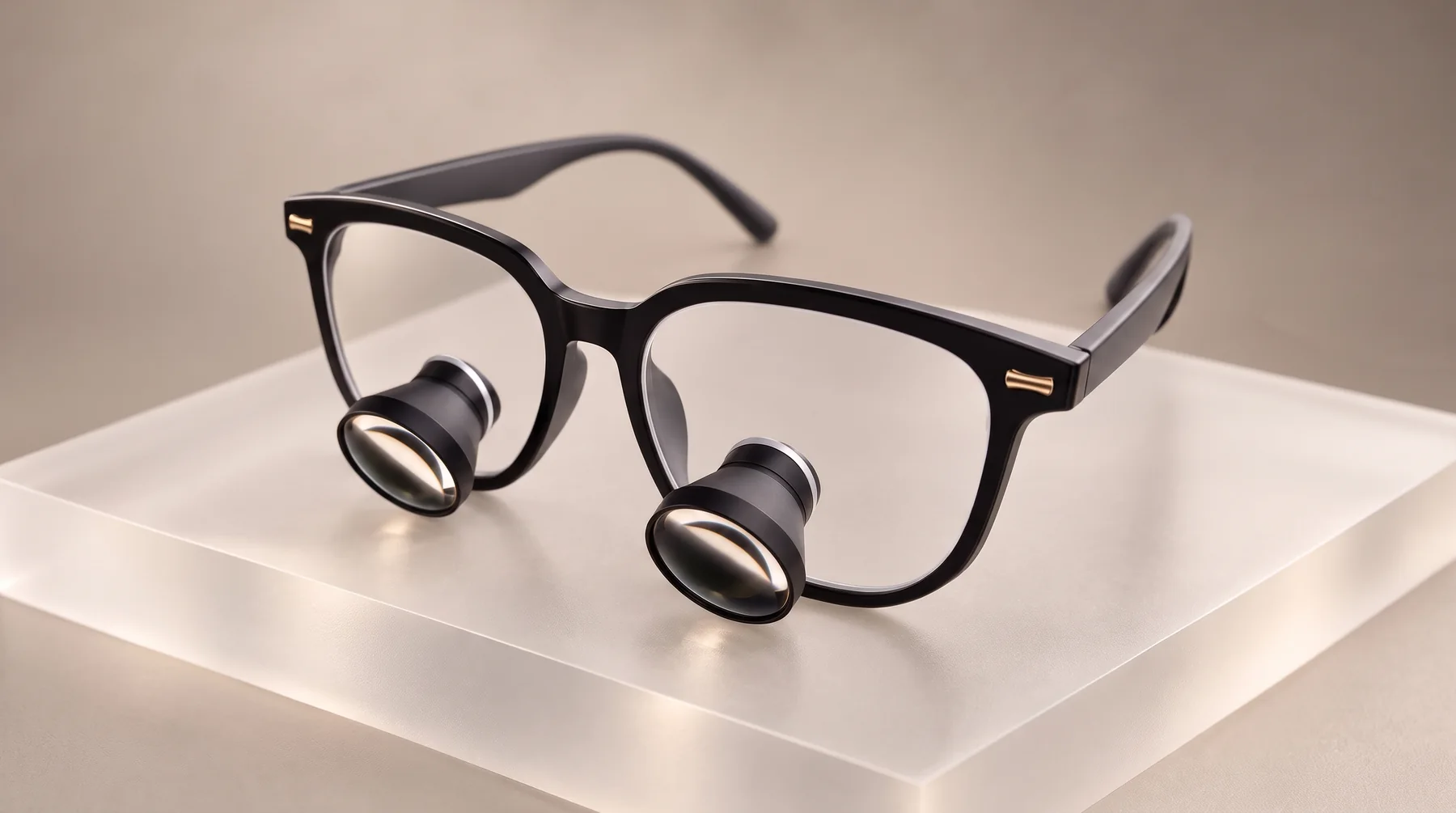
Galileo · From $795 USD
Your HeliosX shortlist
Compare the optical design, then choose your magnification and frame on the product page.
Lightweight affordable surgical and dental loupes for students, residents, and everyday clinical use.
A lightweight Galilean option; not an ergonomic prismatic system.
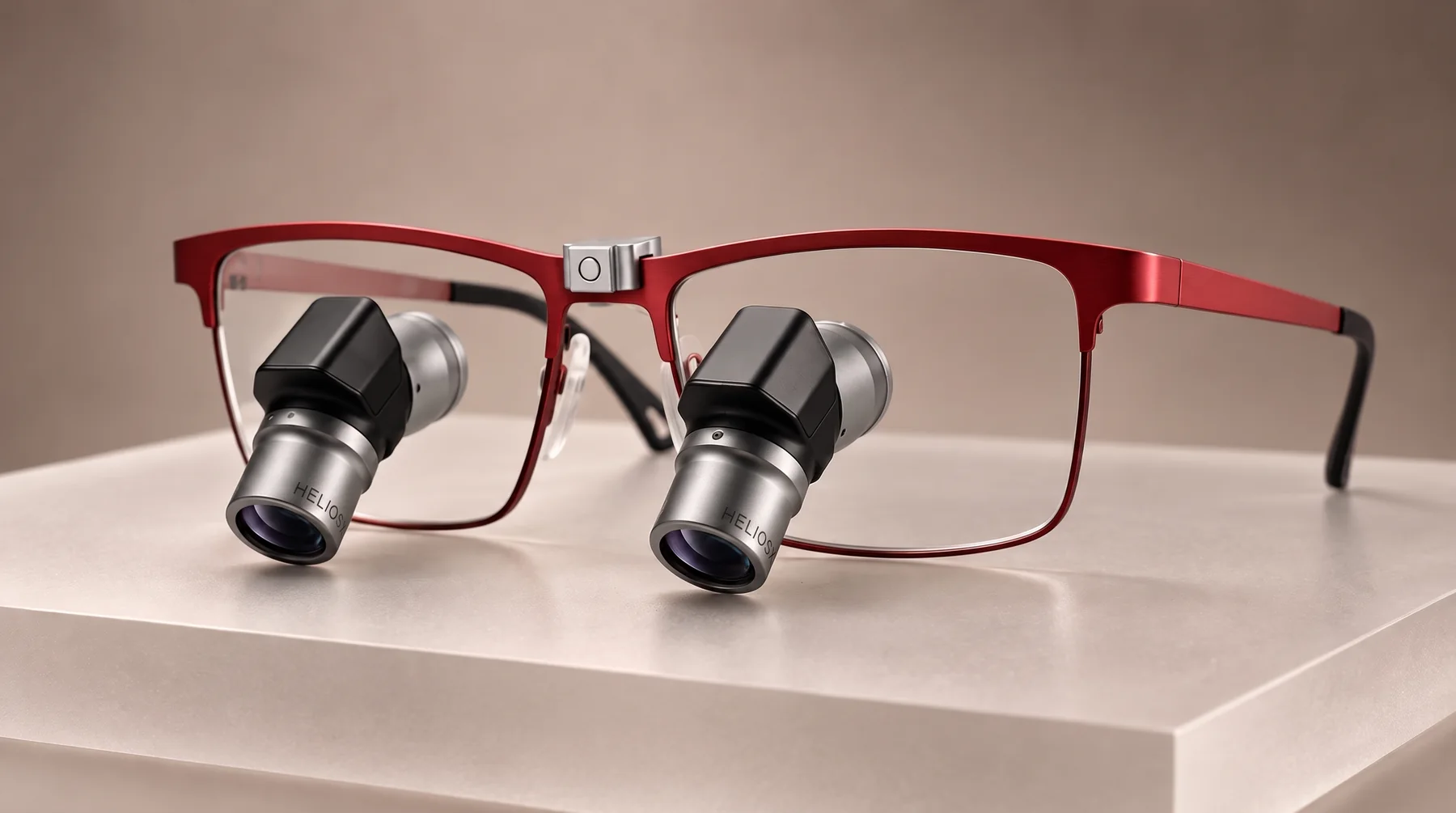
Explore GalileoConventional prismatic loupes for higher-magnification work, available in 4.0x, 5.0x, and 6.0x.
Conventional prismatic optics. Choose Apollo or Medusa for ergonomic viewing.
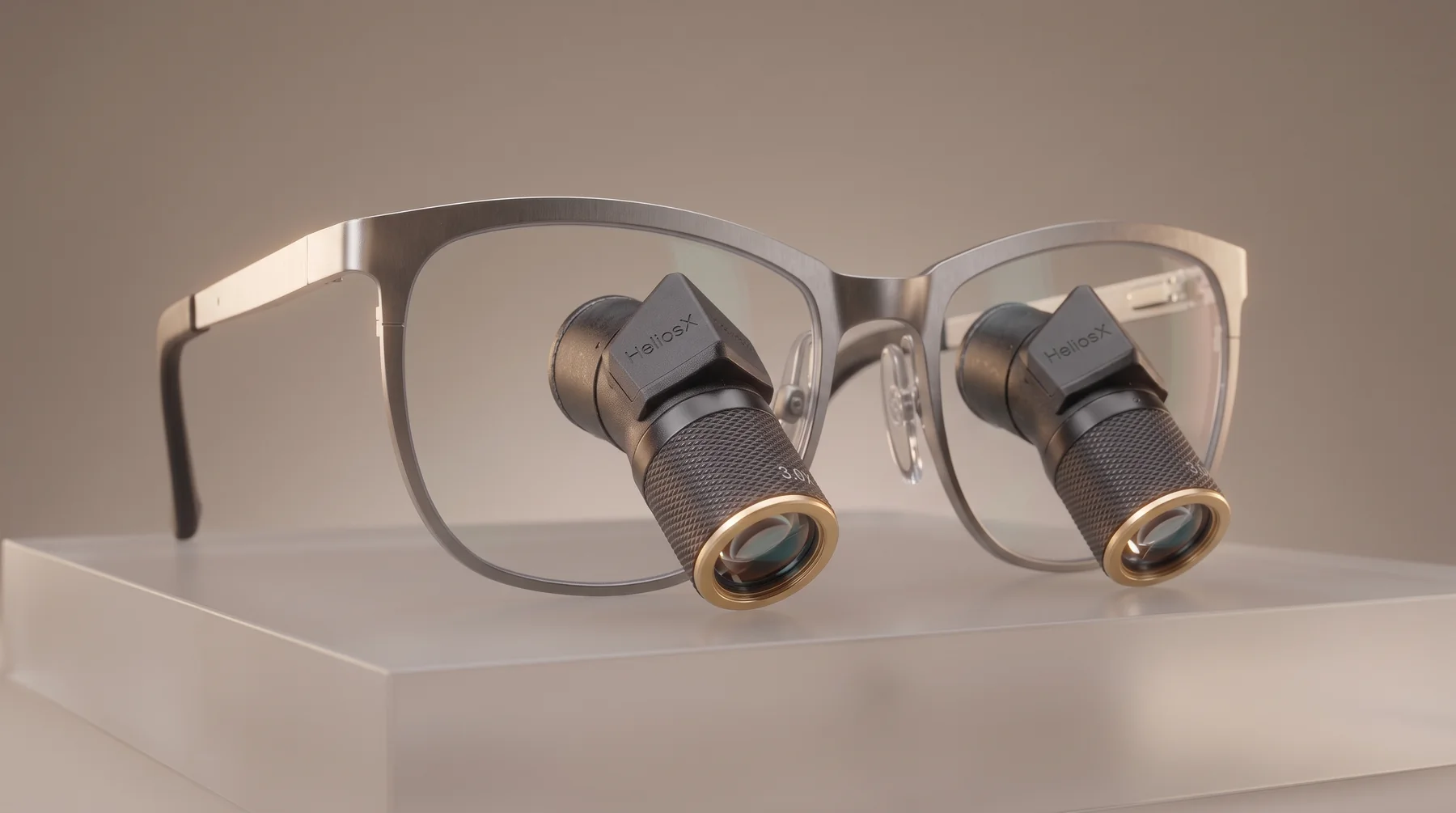
Explore KeplerErgonomic prismatic loupes for clinicians who want posture-aware clarity and high-magnification options.
Working distance is fixed to your configuration; magnification is selected at purchase.
Explore ApolloErgonomic prismatic loupes with adjustable working distance for clinicians who change posture between seated and standing work.
Working distance adjusts from 300–600 mm. Magnification does not switch on the loupe.
Explore MedusaStarting prices in USD. Magnification and optional prescription lenses affect the total; shipping and taxes appear at checkout. See all five models.
Each eyepiece is a telescope, and the two are angled to meet at one point: your working distance, measured from your eyes to the tissue. Magnification makes that point look larger. In exchange you see a smaller area in focus and have less room to move before the image blurs. Most choices below are a trade between those numbers and the weight on your nose.
Galilean loupes use a short two-lens telescope. They are light and give a wide, deep view, and they are usually offered up to about 3.5x because the field narrows and the edges soften beyond that. Prismatic loupes fold the light path through prisms, which allows higher magnification with a flatter image, at the cost of weight. Ergonomic prismatic loupes also angle the line of sight downward, so you can look into the field with your head closer to upright.
Choose the lowest magnification that shows the hardest step you do routinely. Going higher than you need narrows the field and makes every small head movement visible. These are common starting ranges; each specialty page covers the procedures behind them.
Working distance runs from your eyes to the point where your instruments meet tissue, measured the way you actually stand or sit at the table. Taller surgeons and those who operate standing usually need a longer distance. If you split your cases between sitting and standing, any fixed distance is a compromise, and that is the problem Medusa’s adjustable 300–600 mm range was built for.
Everything in the loupe rests on your nose and ears for the length of the case, and a headlight adds to it. Galilean pairs suit long lists of shorter cases. Prismatic pairs carry more glass forward of the frame, so nose pad fit and balance matter more.
A prescription is built into the carrier lenses, so the magnified view and the room around it are both sharp; prescription lenses add $200. A headlight changes the total weight and needs a compatible mount, so ask which lights fit your frame before the loupes are made.
HeliosX publishes every price: Newton $695–$725, Galileo $795–$825, Kepler $1,195–$1,255, Apollo $1,695–$2,070 and Medusa $1,695–$2,075. Each includes worldwide shipping and a limited lifetime warranty, and verified residents, fellows and students get 15% off. Brands that sell through representatives usually quote individually, so compare a finished quote at the same magnification and optical design.
A rep fitting comes down to two measurements: your pupillary distance and your working distance. Both can be taken at home, and we review them before anything is built.
For most surgeons a first pair falls between 2.5x and 3.5x, which keeps a wide field and plenty of depth. Fine vessel, nerve and tendon work usually calls for 4.0x to 5.0x. Choose the lowest magnification that shows your hardest routine step clearly.
Not by default. Prismatic loupes give a sharper image at 4.0x and above, and ergonomic versions let you work with your head more upright. Galilean loupes are lighter and show a wider field at 2.5x to 3.5x. The magnification you need decides it.
No. A fitting comes down to your pupillary distance and working distance. You can measure both at home, and HeliosX reviews them before production.
Yes. Prescription lenses are built into the frame for $200. Send your current prescription after ordering, including any reading addition.
Yes. Verified residents, fellows and students get 15% off any HeliosX model. Email proof of your training status and we send a code to use at checkout.
Yes. Non-prescription pairs can be returned within 30 days of delivery for a full refund. Prescription pairs can be cancelled for a full refund until production starts. Read Returns for the details.
Premium magnification. More accessible.
Tell us your specialty, typical procedures, current magnification, and budget. We can help you narrow the options before you order.
Email opens in your mail app: heliosxloupes@gmail.com · Limited lifetime warranty