Medusa
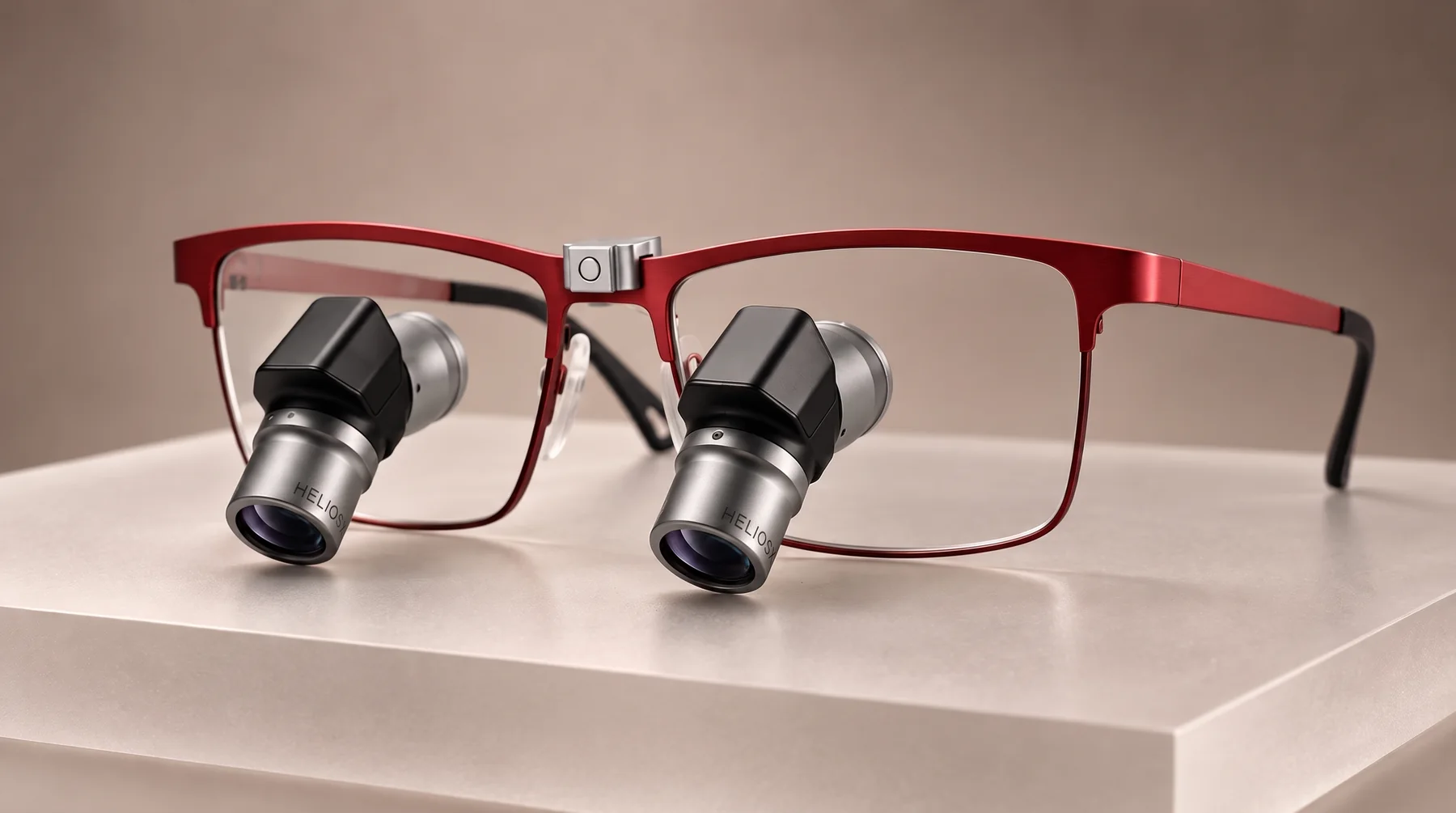
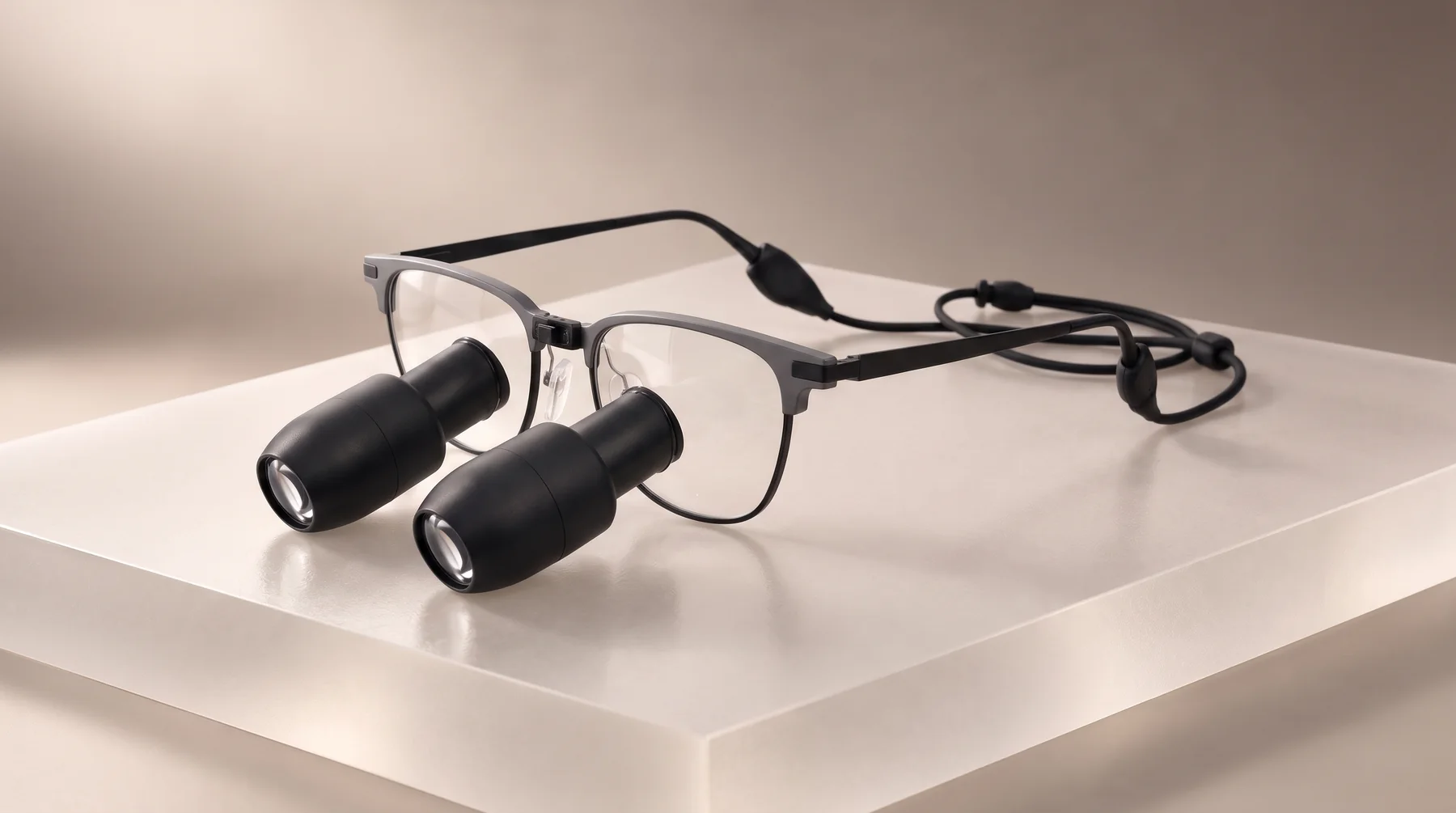
From $1,695Ergonomic prismatic loupes with adjustable working distance for clinicians who change posture between seated and standing work.
Working distance adjusts from 300–600 mm. Magnification does not switch on the loupe.
Explore MedusaCardiac & cardiothoracic
Cardiothoracic surgeons relied on loupes more than microscopes in the Jarrett 2004 survey of intraoperative magnification. Coronary anastomoses, valve repair, and bypass workflows benefit from prismatic magnification without the setup time of an operating microscope.
We make and sell HeliosX loupes. This is our buying guidance, not an independent product test or paid ranking.
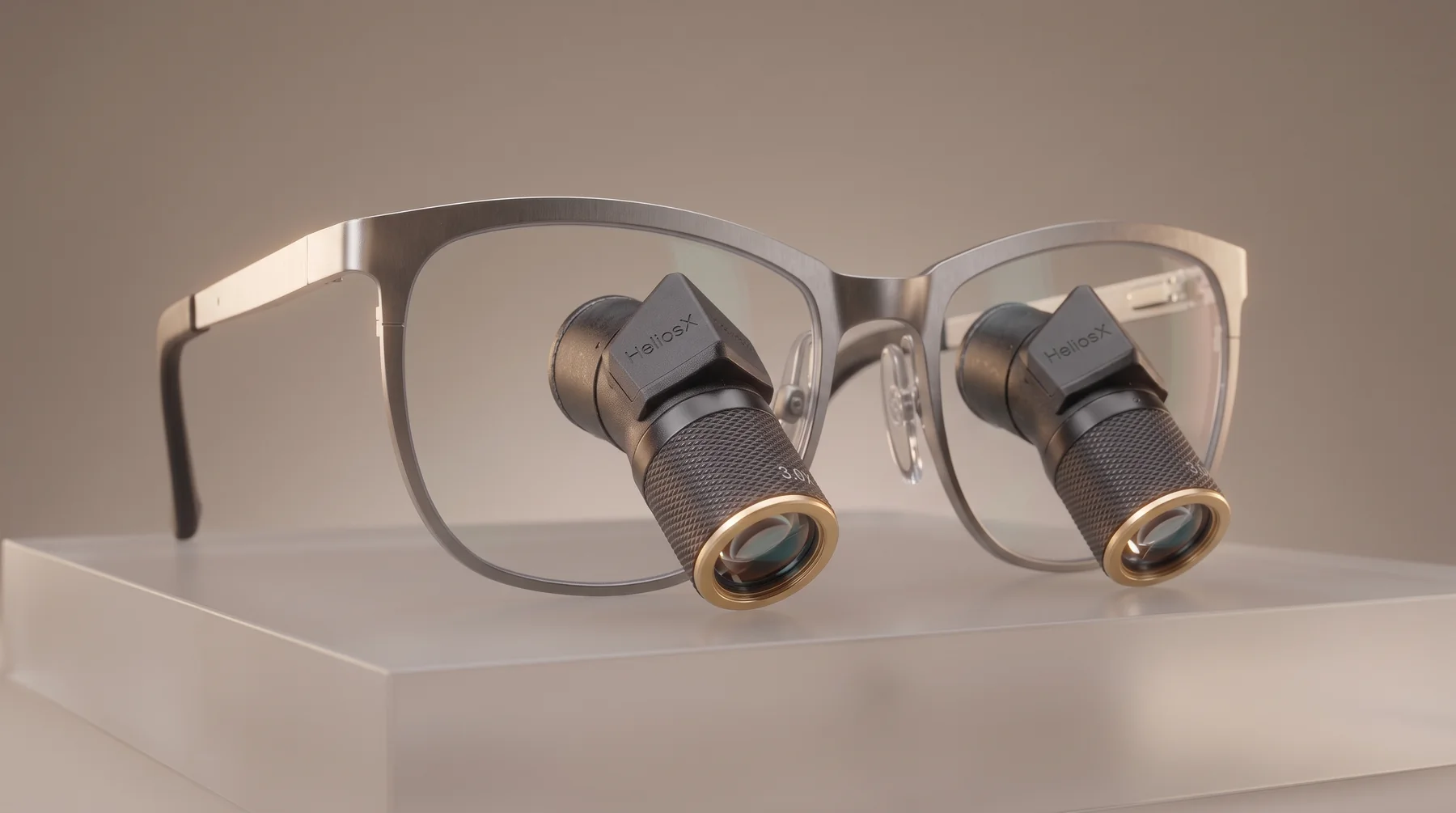
Medusa · From $1,695 USD
Your HeliosX shortlist
Compare the optical design, then choose your magnification and frame on the product page.
Ergonomic prismatic loupes with adjustable working distance for clinicians who change posture between seated and standing work.
Working distance adjusts from 300–600 mm. Magnification does not switch on the loupe.
Explore MedusaErgonomic prismatic loupes for clinicians who want posture-aware clarity and high-magnification options.
Working distance is fixed to your configuration; magnification is selected at purchase.
Explore ApolloConventional prismatic loupes for higher-magnification work, available in 4.0x, 5.0x, and 6.0x.
Conventional prismatic optics. Choose Apollo or Medusa for ergonomic viewing.
Explore KeplerStarting prices in USD. Magnification and optional prescription lenses affect the total; shipping and taxes appear at checkout. See all five models.
Cardiothoracic teams use loupes routinely for vessel anastomoses, valve suturing, and exposure of small structures. The portability and quick switch-in beats microscope setup for the majority of CABG and valve cases.
Apollo and Medusa cover most cardiac and cardiothoracic work with ergonomic prismatic optics. Kepler steps in when the case needs higher magnification on small vessels or fine reconstructive detail.
A cardiac surgeon picks magnification around the most common procedure, not the rare one. HeliosX measures pupillary and working distance after checkout and builds the loupe around your posture and frame preference.
Cardiothoracic surgeons commonly use 4.0x to 5.0x loupes for routine anastomoses and valve work, stepping up to 5.0x or 6.0x when the case is dominated by small-vessel detail.
For routine CABG cases, loupes at 4.0x to 5.0x are widely sufficient. Microscopes remain valuable when the anatomy or revision case demands higher magnification beyond the loupe range.
Premium magnification. More accessible.
Tell us your specialty, typical procedures, current magnification, and budget. We can help you narrow the options before you order.
Email opens in your mail app: heliosxloupes@gmail.com · Limited lifetime warranty