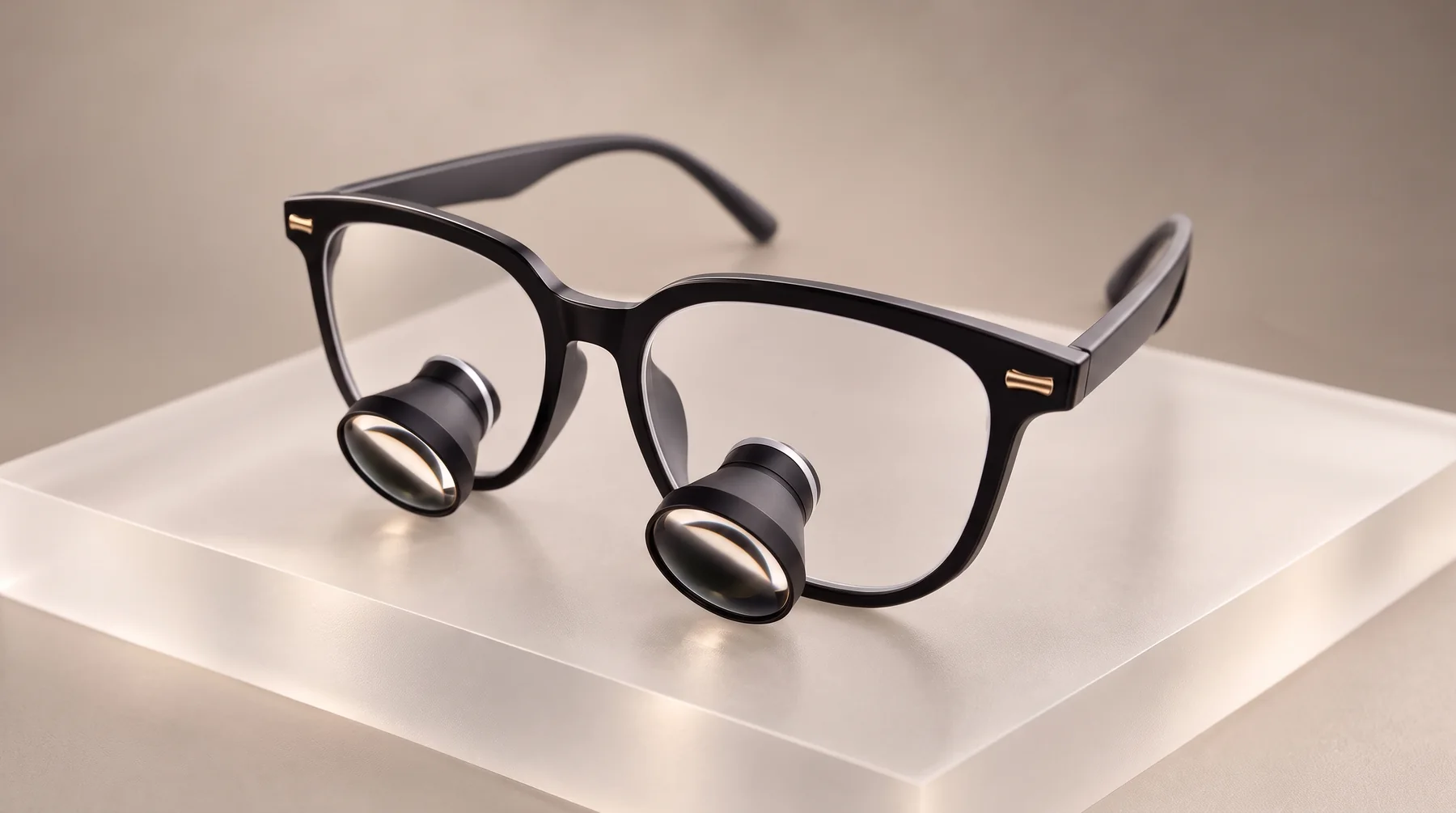
Newton
From $695Our lowest-priced Galilean model, with 2.5x, 3.0x, and 3.5x configurations for everyday magnification.
Galilean optics. Choose Apollo or Medusa for a redirected ergonomic view.
Explore NewtonStudent comparison
Short answer: Most students do best with a 3.0x–3.5x Galilean first pair from a supplier their program allows. School-fair packages commonly cost $1,500–2,000; HeliosX Galileo starts at $795, with 15% off for verified students and a lifetime warranty and 30-day returns on non-prescription pairs.
Your first pair of loupes is bought under the worst conditions: limited budget, no experience of what you will prefer, and a deadline set by your program. The good news is that the decision is narrower than the marketing suggests. Confirm what your school requires, pick a magnification you can adapt to, then compare the finished price rather than the advertised one.
We make and sell HeliosX loupes. This is our buying guidance, not an independent product test or paid ranking.
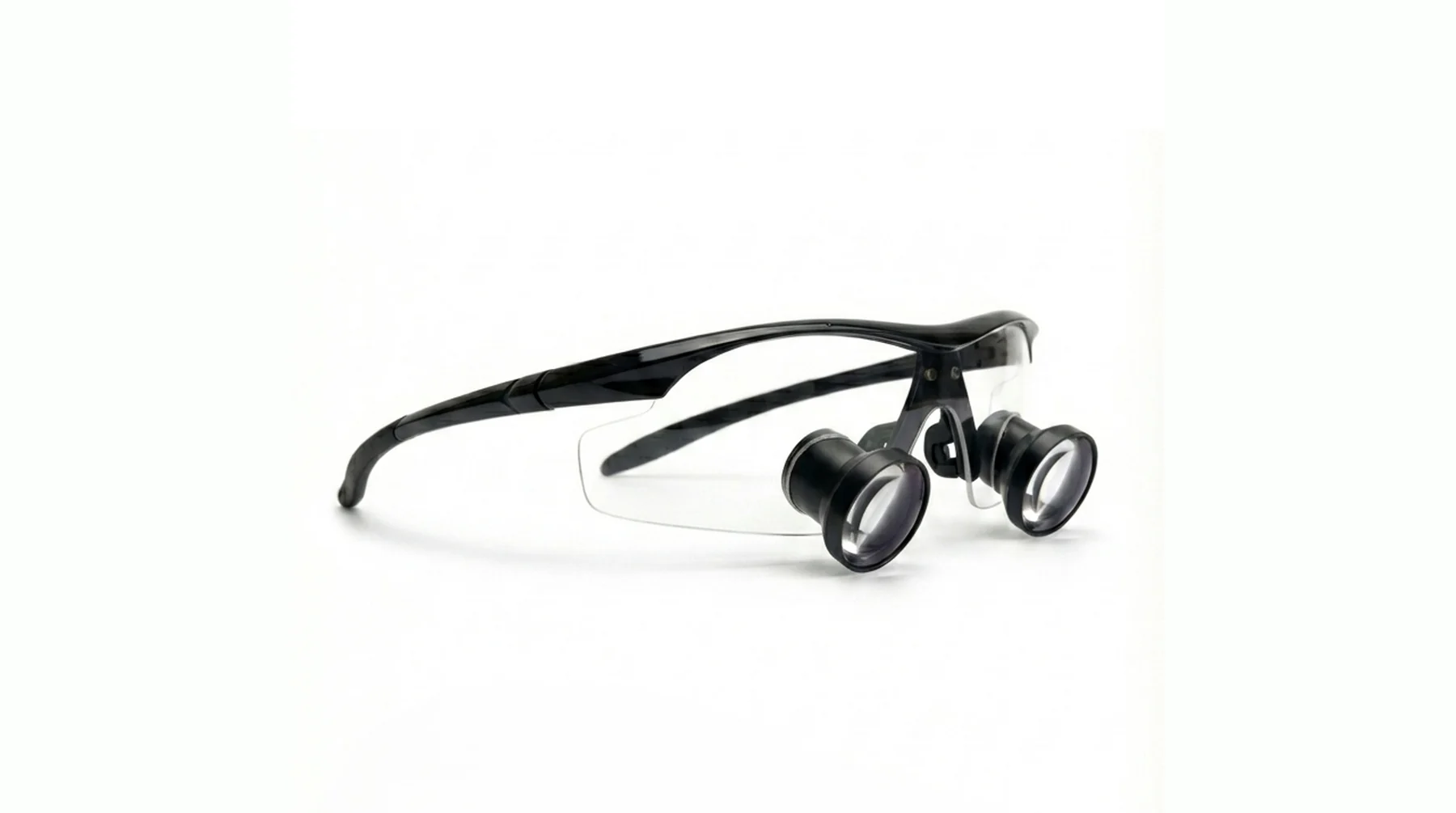
Newton · From $695 USD
Your HeliosX shortlist
Compare the optical design, then choose your magnification and frame on the product page.
Our lowest-priced Galilean model, with 2.5x, 3.0x, and 3.5x configurations for everyday magnification.
Galilean optics. Choose Apollo or Medusa for a redirected ergonomic view.
Explore NewtonLightweight affordable surgical and dental loupes for students, residents, and everyday clinical use.
A lightweight Galilean option; not an ergonomic prismatic system.
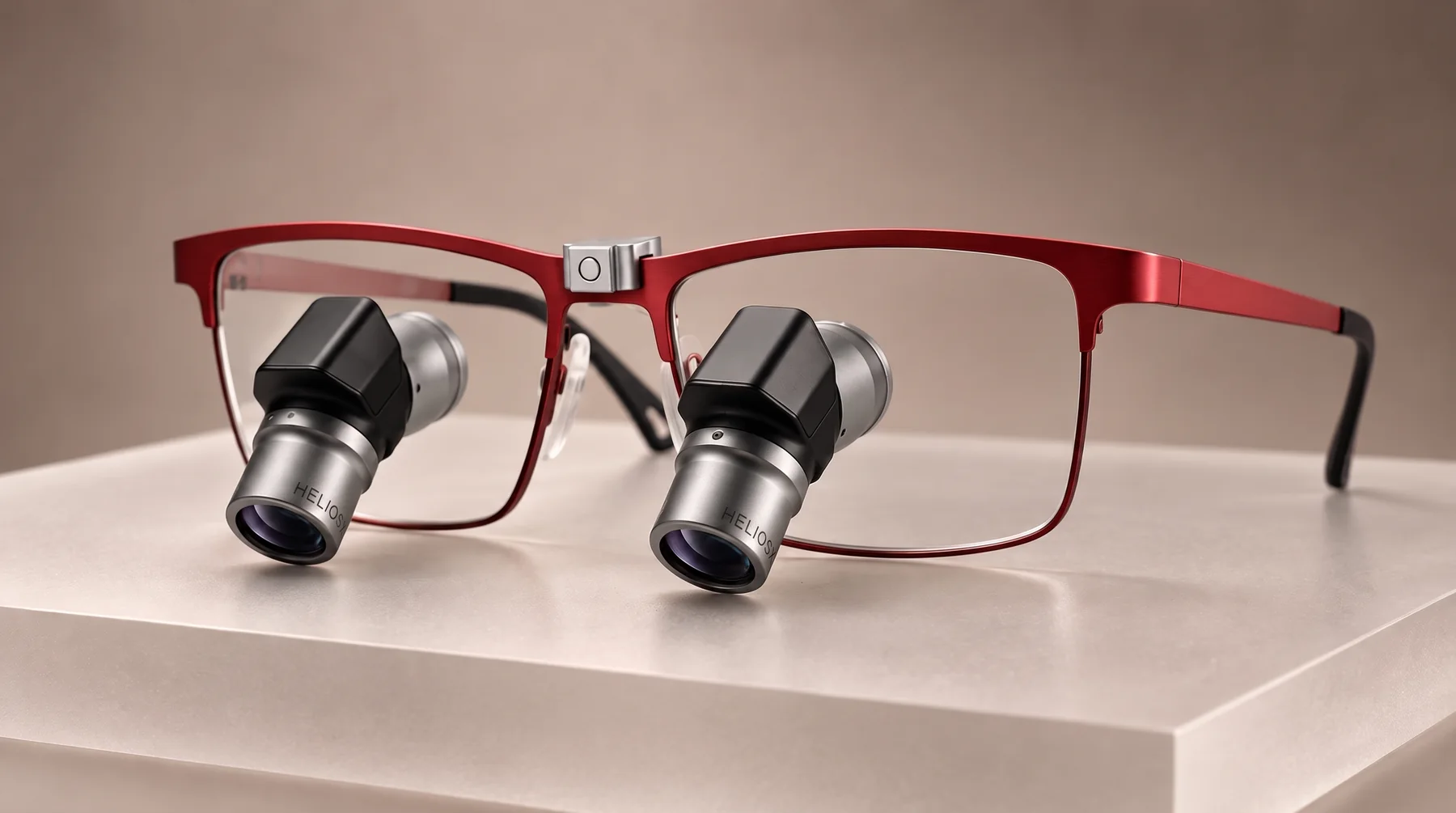
Explore GalileoErgonomic prismatic loupes for clinicians who want posture-aware clarity and high-magnification options.
Working distance is fixed to your configuration; magnification is selected at purchase.
Explore ApolloStarting prices in USD. Magnification and optional prescription lenses affect the total; shipping and taxes appear at checkout. See all five models.
Most student buyers land in one of three places. Find yours and skip the rest.
Student forums repeat the same few lessons, and they are worth hearing before a rep fair sets the terms. School fair packages commonly run $1,500–2,000 for a Galilean pair, often with a payment plan. The regrets people post are mostly about magnification and fit, not brand.
Every year students buy a configuration they cannot use in clinic. Programs vary more than you would expect, and a rule about magnification or an approved supplier will override any price comparison you have done.
Going too high is a real first-pair mistake: above 4.0x the narrower field and shorter depth of focus are harder to learn on, and the pair a classmate recommends was chosen for their work and their eyes. Going too low is the more common regret. Newton and Galileo cover 2.5x to 3.5x as Galilean systems, and 3.0x–3.5x is where many students end up. Apollo is the ergonomic prismatic option if you already know you want a redirected line of sight.
Student pricing is where comparison gets difficult, because a percentage off an unpublished retail price tells you nothing. Orascoptic publishes student benefits including a 45-day trial, subject to eligibility and purchase terms. Ask your representative which of those apply to your actual quote. HeliosX publishes its prices instead, and verified students, residents and fellows get a flat 15% off them, so you can work out your exact price before asking anyone.
Source: Orascoptic student program; checked September 10, 2026
LumaDent publishes Ergo Air Ti prices starting at $1,995 for 3.0x. Its specification table lists variable working distance, so adjustment is not exclusive to HeliosX.
Source: LumaDent official information
Orascoptic offers student programs and demonstrations. Its student page lists a 45-day trial and benefits with eligibility conditions. Confirm the terms on your specific quote.
Source: Orascoptic official information
SurgiTel offers several ergonomic loupe families, including ErgoDeflection, and a demonstration route. Compare a specific SurgiTel model with Apollo or Medusa, rather than treating the whole brand as one optical design.
Source: SurgiTel official information
Q-Optics describes ErgoAngle as individually customized for the viewing angle, width, loupe height, and working distance. Compare that fitting approach with the configuration available on the HeliosX model you want.
Source: Q-Optics official information
ExamVision Kepler Advanced includes four magnifications in one loupe: 4.0x, 5.0x, 6.0x, and 7.0x. HeliosX models are ordered at one magnification. Medusa adjusts working distance, not magnification.
Source: ExamVision official information
Admetec Ergo V provides three magnification settings in one ergonomic loupe. That is different from choosing one HeliosX magnification at purchase. Medusa changes working distance while keeping its ordered magnification.
Source: Admetec official information
Designs for Vision builds loupes to each buyer’s measurements at its New York facility and offers a 45-day free trial. Its range runs from 1.7x to 6.0x, including standard and expanded field telescopes and the Infinity VUE ergonomic loupes at 3.0x, 3.5x and 4.5x. Prices are not published; you request a quote or a demonstration.
A magnification label cannot tell you how a loupe will feel in use. Compare field of view, depth of field, frame balance, and the fitted working distance. If you can attend a demonstration, use your normal posture and the same task for every pair.
Your loupes are made to your configuration. After checkout, we collect your measurements and review them before custom production. Ask about your working distance, prescription, or frame before ordering if any of those choices are uncertain.
Verified students, residents and fellows get 15% off any model. Email proof of your training status, such as a student ID, enrollment letter or schedule, and once we have verified it, we send a code to use at checkout.
Most students are best served between 3.0x and 3.5x. Lower magnification gives a wider field and more depth of focus, which makes it easier to learn on, but many students who start at 2.5x outgrow it within a year. Check whether your program specifies a figure before deciding.
If you will use them in clinic this year, buying early builds the habit while your technique is still forming. If your procedural work has not started, waiting until your fitting needs are clear is reasonable.
Yes. Email heliosxloupes@gmail.com with your specialty, current magnification, typical procedures, and budget. Ask us to help narrow the configuration before you pay.
Yes. Non-prescription pairs can be returned within 30 days of delivery for a full refund. Prescription pairs can be cancelled for a full refund until production begins; after that, we cover defects and fit corrections. Read Returns for the details.
Premium magnification. More accessible.
Tell us your specialty, typical procedures, current magnification, and budget. We can help you narrow the options before you order.
Email opens in your mail app: heliosxloupes@gmail.com · Limited lifetime warranty