Newton
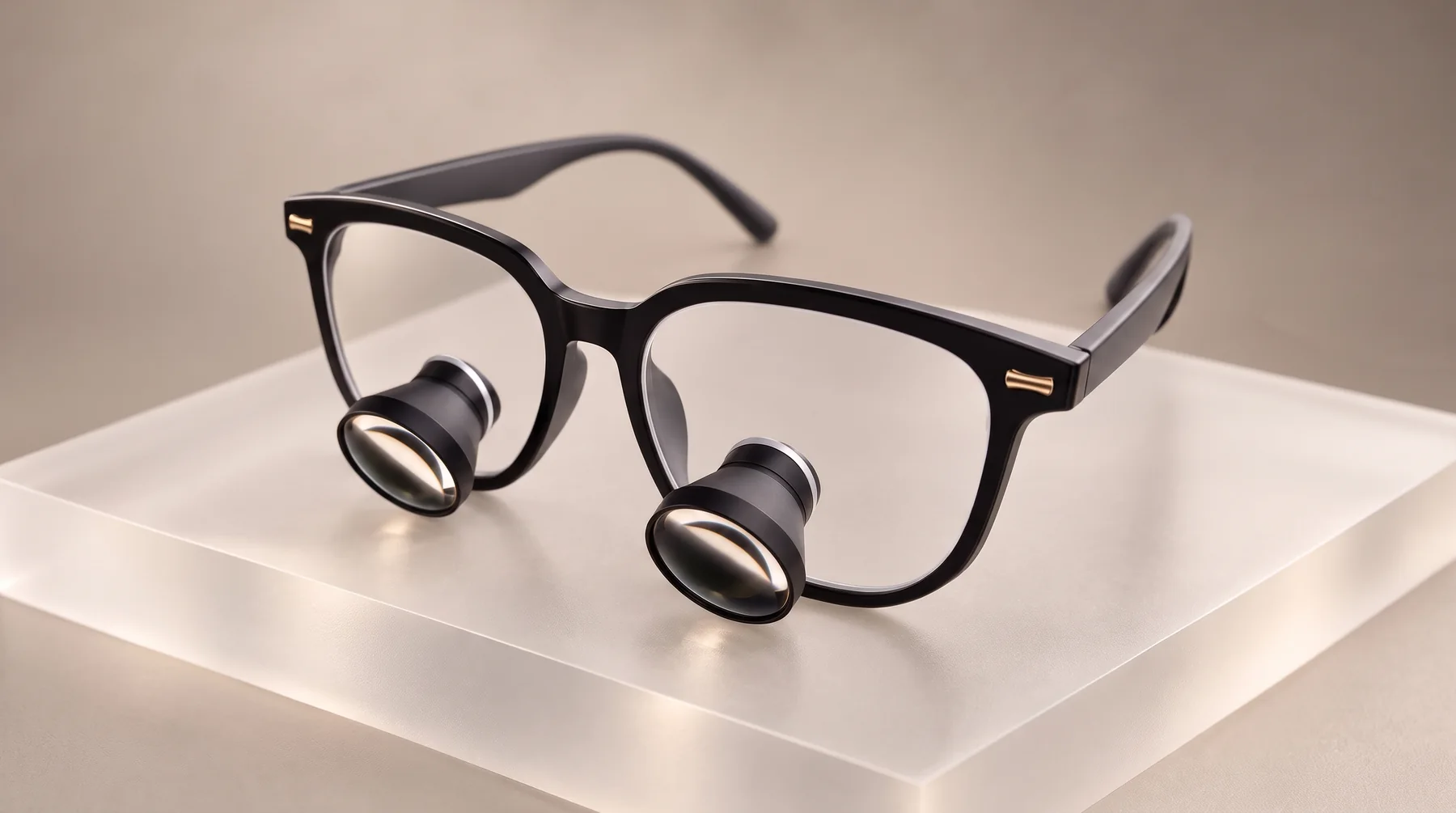
From $695Our lowest-priced Galilean model, with 2.5x, 3.0x, and 3.5x configurations for everyday magnification.
Galilean optics. Choose Apollo or Medusa for a redirected ergonomic view.
Explore NewtonLoupes for Medical Students
Medical students face a question dental students do not: whether to buy at all yet. Most of medical school involves no magnification, and the rotations that do are short. The answer usually turns on when your procedural work starts and how certain you are about your specialty.
We make and sell HeliosX loupes. This is our buying guidance, not an independent product test or paid ranking.
Newton · From $695 USD
Your HeliosX shortlist
Compare the optical design, then choose your magnification and frame on the product page.
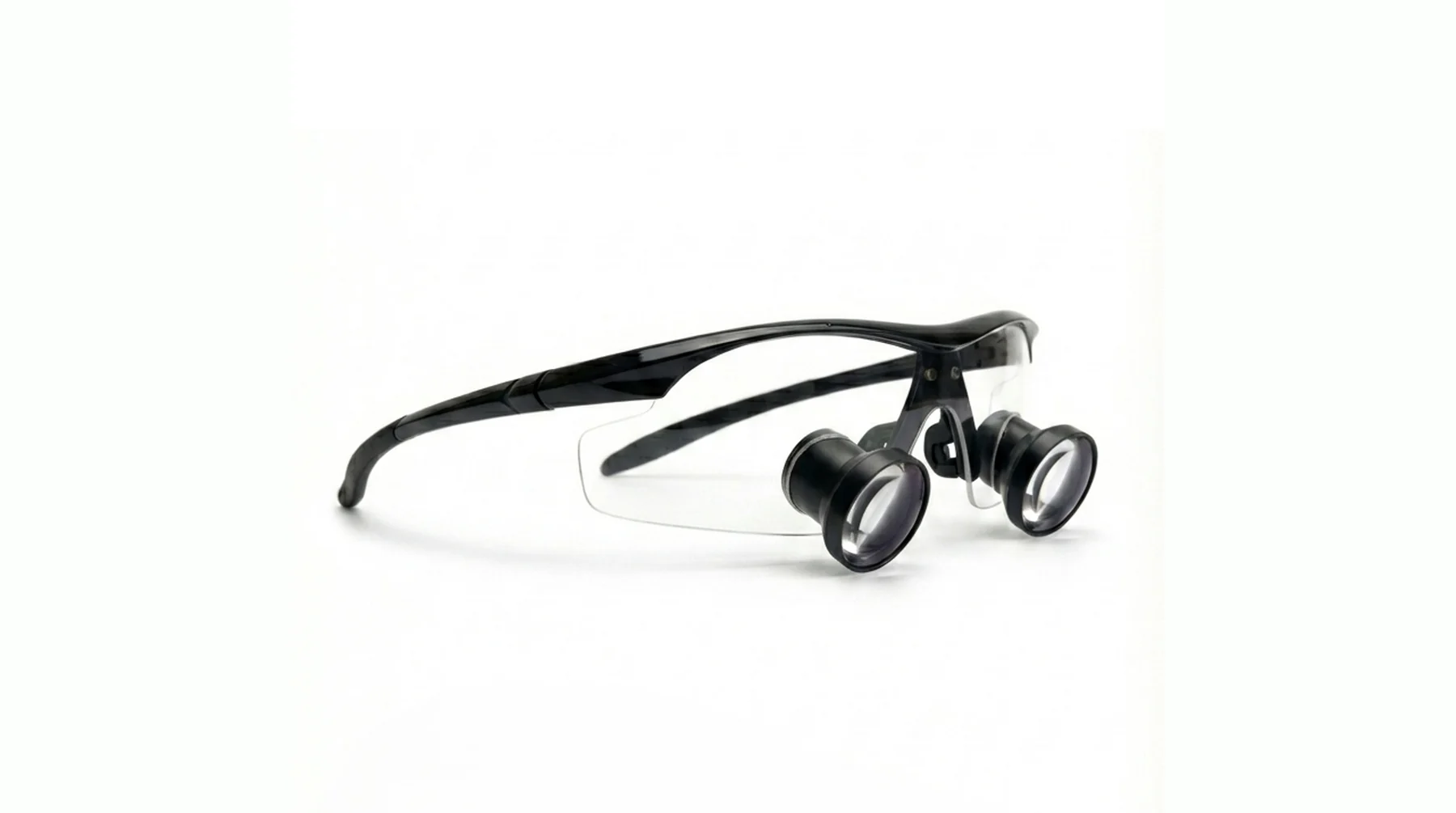
Our lowest-priced Galilean model, with 2.5x, 3.0x, and 3.5x configurations for everyday magnification.
Galilean optics. Choose Apollo or Medusa for a redirected ergonomic view.
Explore NewtonLightweight affordable surgical and dental loupes for students, residents, and everyday clinical use.
A lightweight Galilean option; not an ergonomic prismatic system.
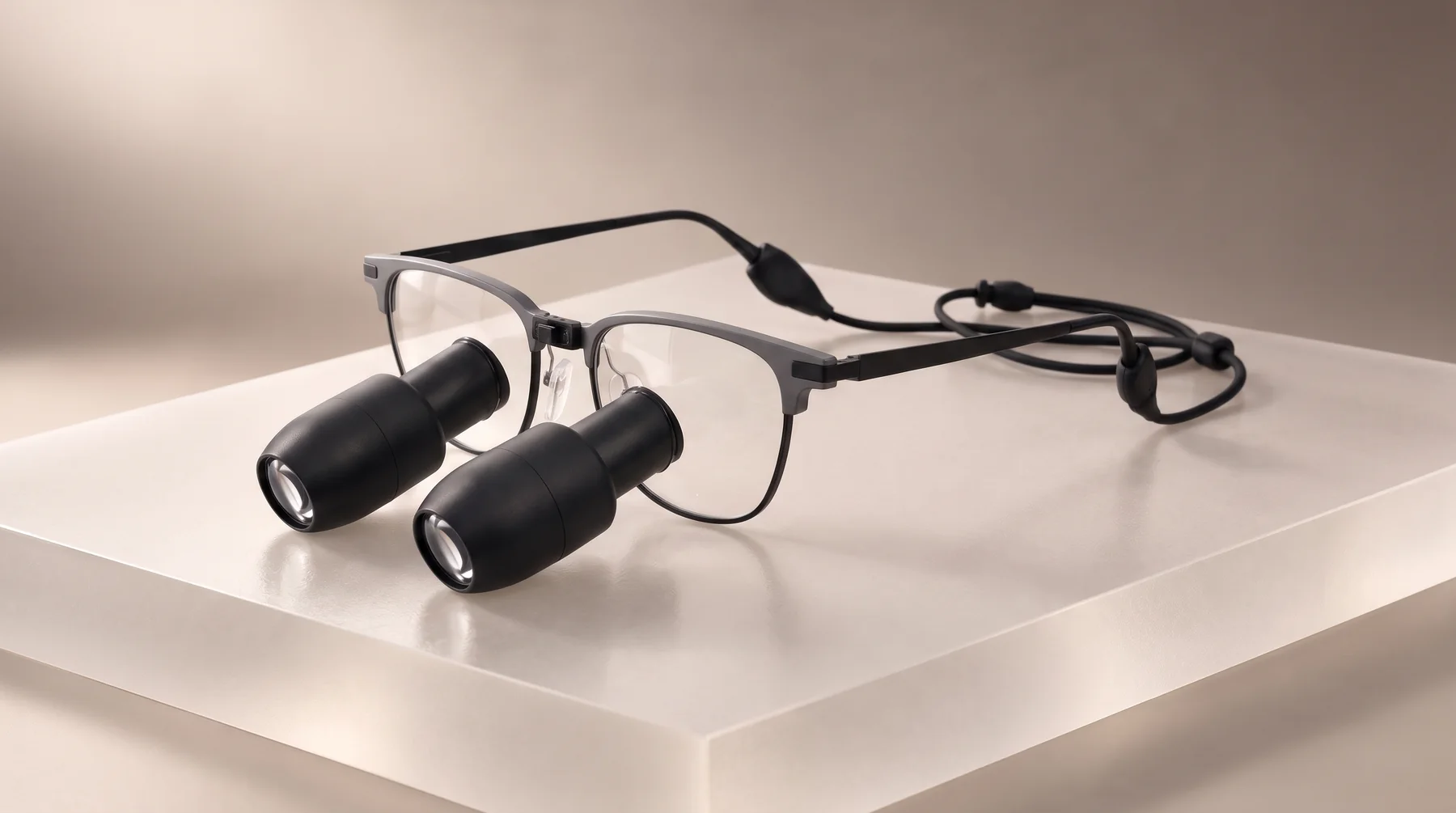
Explore GalileoConventional prismatic loupes for higher-magnification work, available in 4.0x, 5.0x, and 6.0x.
Conventional prismatic optics. Choose Apollo or Medusa for ergonomic viewing.
Explore KeplerStarting prices in USD. Magnification and optional prescription lenses affect the total; shipping and taxes appear at checkout. See all five models.
If you are heading into a surgical specialty and have procedural rotations ahead, buying as a student gets you through the adaptation period before it costs you anything. If your specialty is undecided, waiting is defensible. Working distance and magnification differ enough between surgical fields that a pair bought speculatively may not suit the work you end up doing.
Surgical work is generally done at a longer working distance than dentistry, because you are standing at a table rather than seated at a chair. That changes the fit more than the magnification figure does. Most students on surgical rotations do well between 2.5x and 3.5x, which keeps enough field to see the instrument and the surrounding anatomy together.
Residency is when loupes get worn for long cases, and that is when fit problems become expensive. A pair bought for a student budget can carry you into your first year, though it is worth knowing what you would upgrade to. Kepler covers the higher-magnification path if you are heading toward microsurgical work.
This trips up students choosing magnification on ambition rather than need. Services that require an operating microscope require it regardless of what you are wearing, and buying 6.0x loupes will not change that. Loupes cover the open, exposure, and assisting work that fills most of a rotation. Pick for that, and let the specialty decide the rest later.
A student budget has to cover more than the loupe. Prescription lenses are a separate line, a light is the most common addition, and both are easier to plan for now than to find money for later. There is no code to chase on HeliosX prices, so the published figure is the one to build the budget around.
A magnification label cannot tell you how a loupe will feel in use. Compare field of view, depth of field, frame balance, and the fitted working distance. If you can attend a demonstration, use your normal posture and the same task for every pair.
Your loupes are made to your configuration. After checkout, we collect your measurements and review them before custom production. Ask about your working distance, prescription, or frame before ordering if any of those choices are uncertain.
Check with your program first. If you will not use them during your current rotations, waiting until your procedural work and fitting needs are clear is usually the better call. If you have surgical rotations ahead, buying early gets the adaptation done before it matters.
Most students on surgical rotations do well between 2.5x and 3.5x. Working distance matters more than the magnification figure, because surgical work is done standing at a table rather than seated.
The optics are the same technology, but the fit differs. Surgical loupes are usually built for a longer working distance and a standing posture. A pair fitted for seated dental work may not suit the table.
Yes. Email heliosxloupes@gmail.com with your specialty, current magnification, typical procedures, and budget. Ask us to help narrow the configuration before you pay.
Yes. Non-prescription pairs can be returned within 30 days of delivery for a full refund. Prescription pairs can be cancelled for a full refund until production begins; after that, we cover defects and fit corrections. Read Returns for the details.
Premium magnification. More accessible.
Tell us your specialty, typical procedures, current magnification, and budget. We can help you narrow the options before you order.
Email opens in your mail app: heliosxloupes@gmail.com · Limited lifetime warranty