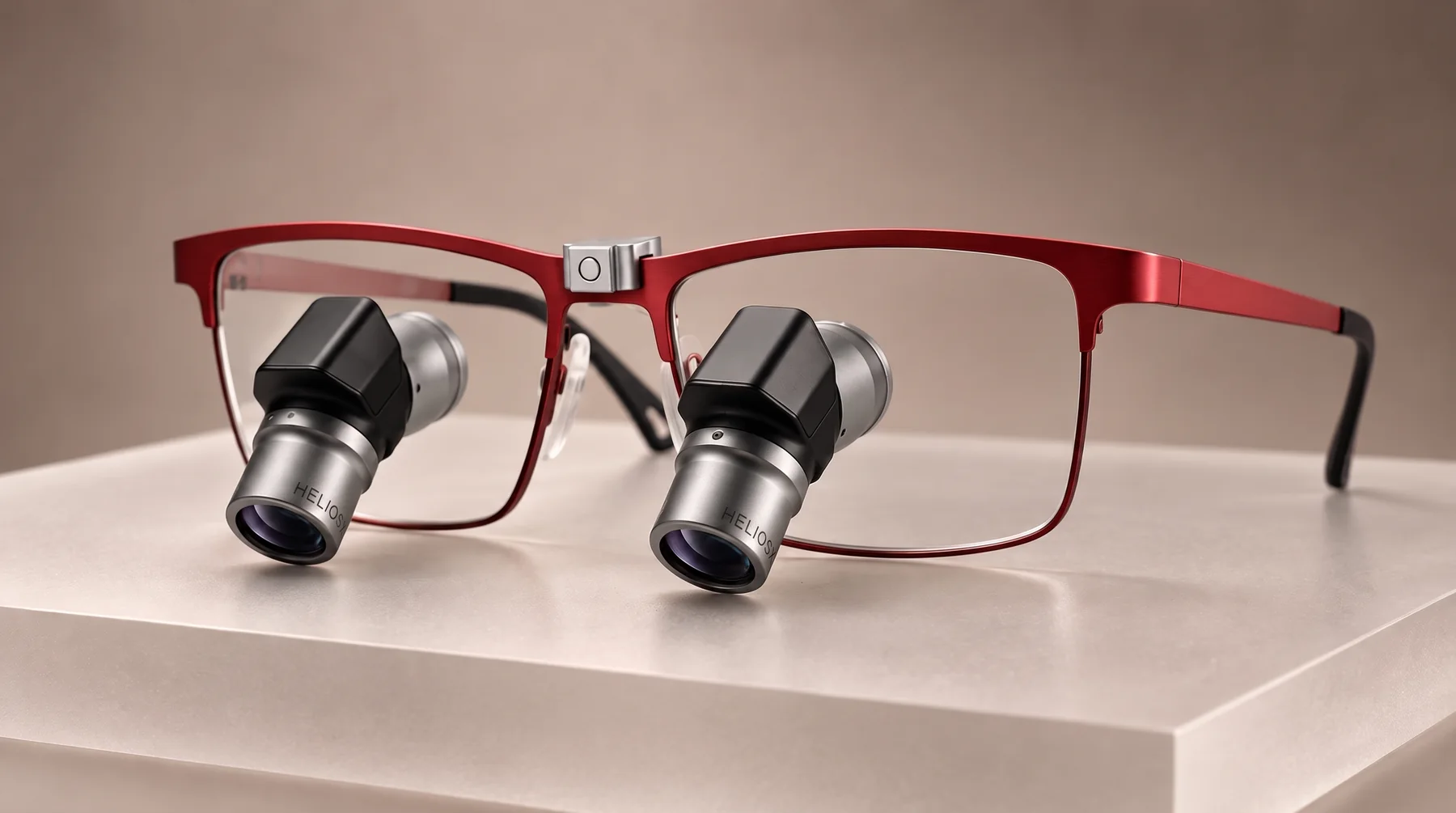
Kepler
From $1,195Conventional prismatic loupes for higher-magnification work, available in 4.0x, 5.0x, and 6.0x.
Conventional prismatic optics. Choose Apollo or Medusa for ergonomic viewing.
Explore KeplerLoupes for Microsurgery
HeliosX turns loupe selection into a practical decision: match the model to the work, the posture, the budget, and the measurements before final production.
We make and sell HeliosX loupes. This is our buying guidance, not an independent product test or paid ranking.
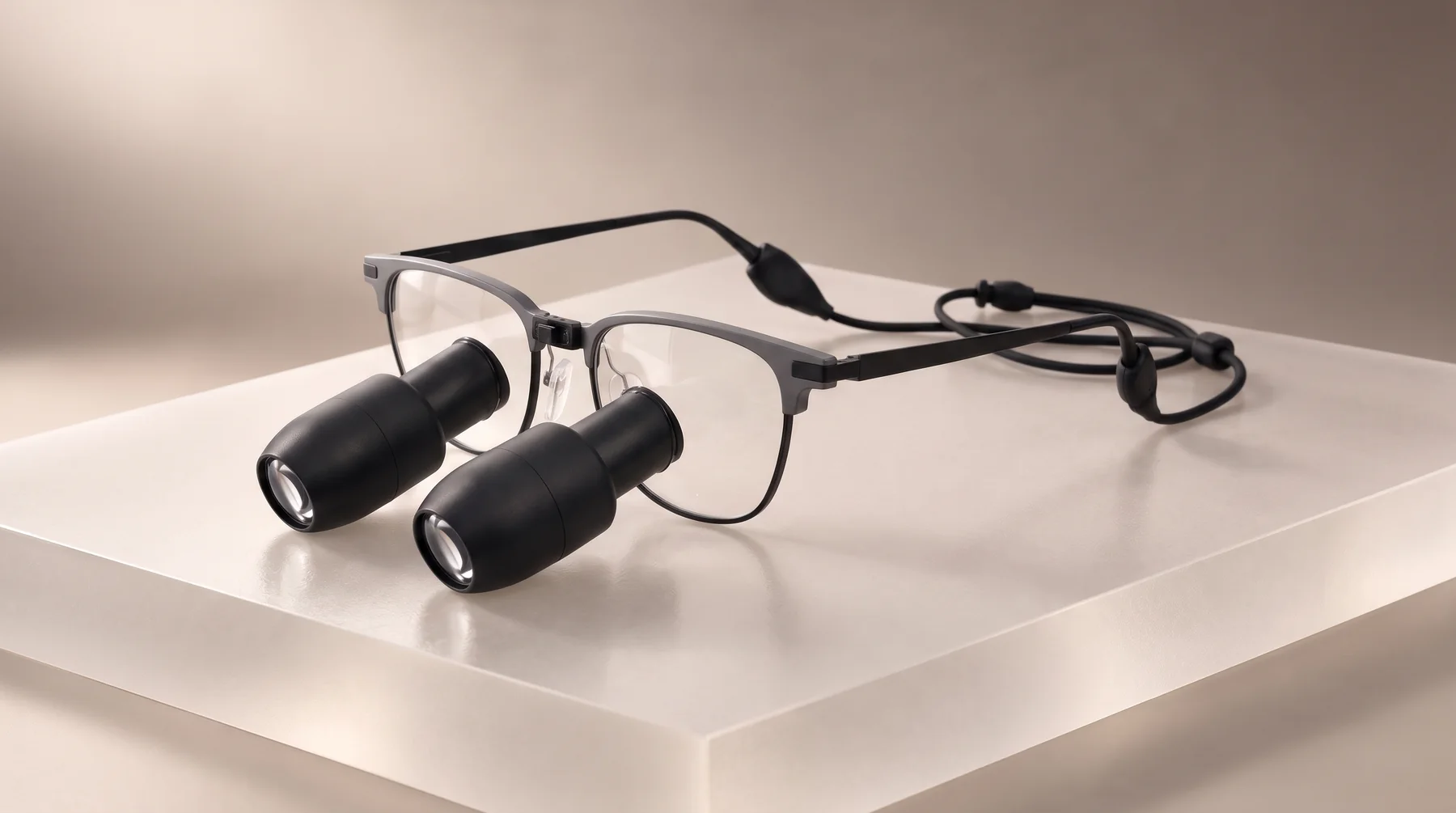
Kepler · From $1,195 USD
Your HeliosX shortlist
Compare the optical design, then choose your magnification and frame on the product page.
Conventional prismatic loupes for higher-magnification work, available in 4.0x, 5.0x, and 6.0x.
Conventional prismatic optics. Choose Apollo or Medusa for ergonomic viewing.
Explore KeplerErgonomic prismatic loupes for clinicians who want posture-aware clarity and high-magnification options.
Working distance is fixed to your configuration; magnification is selected at purchase.
Explore ApolloErgonomic prismatic loupes with adjustable working distance for clinicians who change posture between seated and standing work.
Working distance adjusts from 300–600 mm. Magnification does not switch on the loupe.
Explore MedusaStarting prices in USD. Magnification and optional prescription lenses affect the total; shipping and taxes appear at checkout. See all five models.
The right loupe depends on what the clinician does every day. HeliosX pages connect each audience to the models and education resources that fit that workflow.
A 2004 peer-reviewed survey of 148 specialists and senior trainees in the west of Scotland (Jarrett, Microsurgery 2004) found clear specialty patterns in intraoperative magnification use. Plastic, maxillofacial, ophthalmic, and otolaryngology surgeons reported frequent use of magnification, cardiothoracic and pediatric surgeons leaned heavily on loupes, and neurosurgery was more microscope-centered.
Source: Jarrett PM. Intraoperative magnification: who uses it? Microsurgery. 2004;24:420–422.
HeliosX is built around a simple mission: make premium magnification more accessible. Compare our published prices and model specifications, then confirm the fit and support terms before committing to a custom pair.
Microsurgery spans tasks that loupes handle well, such as exposure, dissection, and preparation, and tasks where services use an operating microscope, such as microvascular anastomosis. Loupes are portable and quick to use; a microscope provides far higher magnification. Plan your loupe choice around the steps you will actually do under loupes.
Higher magnification shows smaller structures but narrows the field of view and reduces depth of field, so small head movements move the image more. Many surgeons doing fine work use 4.0x–6.0x prismatic loupes; higher powers suit narrower tasks and steadier setups.
Source: Loupe magnification guide
At high magnification, an accurate working distance and a stable posture matter more than at lower powers. Measure in your operating position, keep the working field at a height you can hold, and consider an ergonomic design if you spend long periods looking down.
The best choice depends on specialty, posture, magnification needs, and budget. HeliosX maps each audience to affordable, ergonomic prismatic, and high-magnification options.
Loupes at 4.0x–6.0x are common for fine work, with higher powers for narrower tasks. Steps such as microvascular anastomosis are usually done under an operating microscope.
No. Loupes are useful for many detailed steps, but they do not replace a microscope where your service requires one.
Premium magnification. More accessible.
Tell us your specialty, typical procedures, current magnification, and budget. We can help you narrow the options before you order.
Email opens in your mail app: heliosxloupes@gmail.com · Limited lifetime warranty