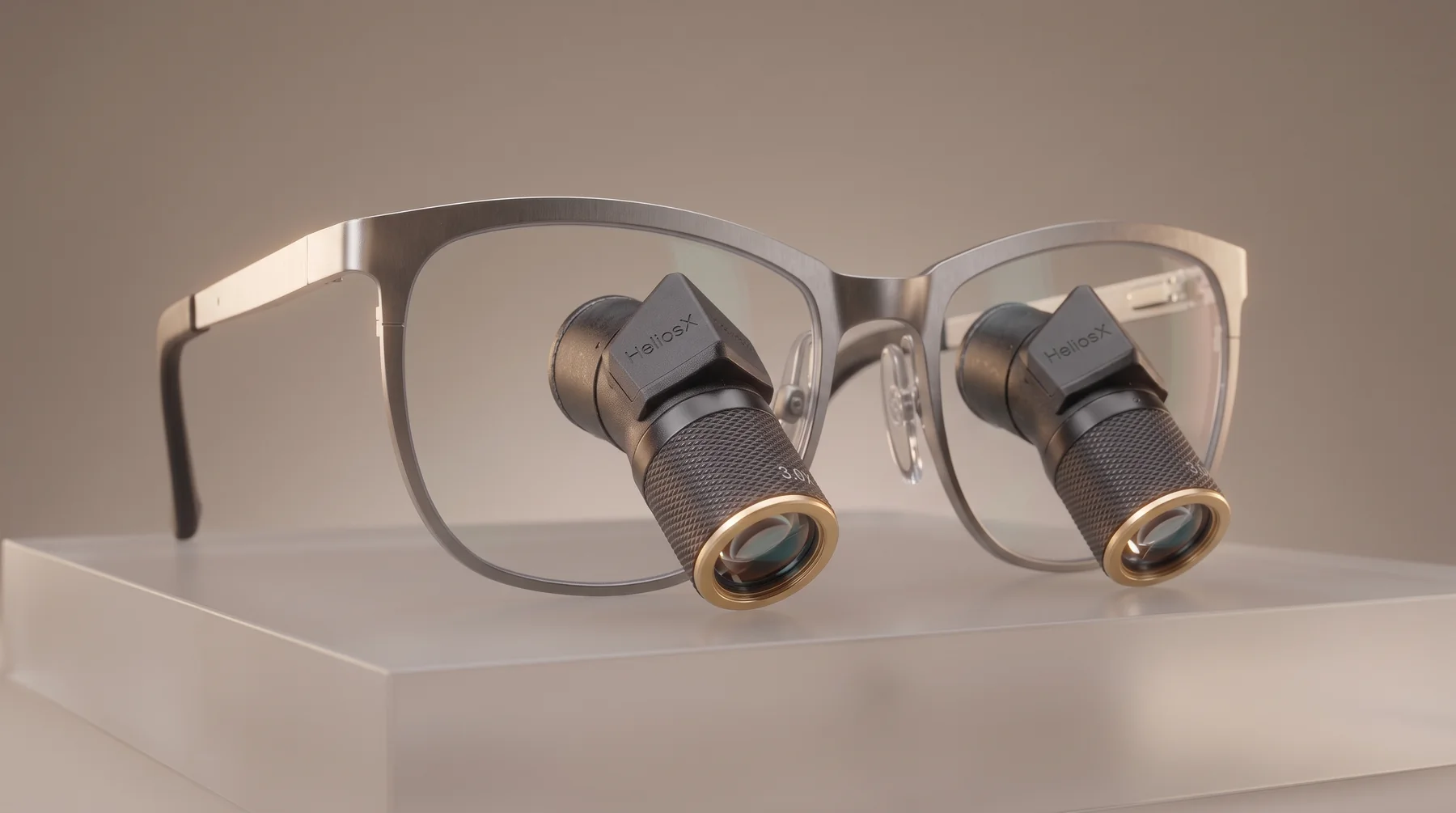
Apollo
From $1,695Ergonomic prismatic loupes for clinicians who want posture-aware clarity and high-magnification options.
Working distance is fixed to your configuration; magnification is selected at purchase.
Explore ApolloENT & otolaryngology
Otolaryngology surgeons reported frequent intraoperative magnification use in the Jarrett survey, with patterns that varied between sinus, otologic, and head-and-neck workflows. Ergonomic prismatic loupes cover the bulk of ENT practice without the setup overhead of a microscope.
We make and sell HeliosX loupes. This is our buying guidance, not an independent product test or paid ranking.
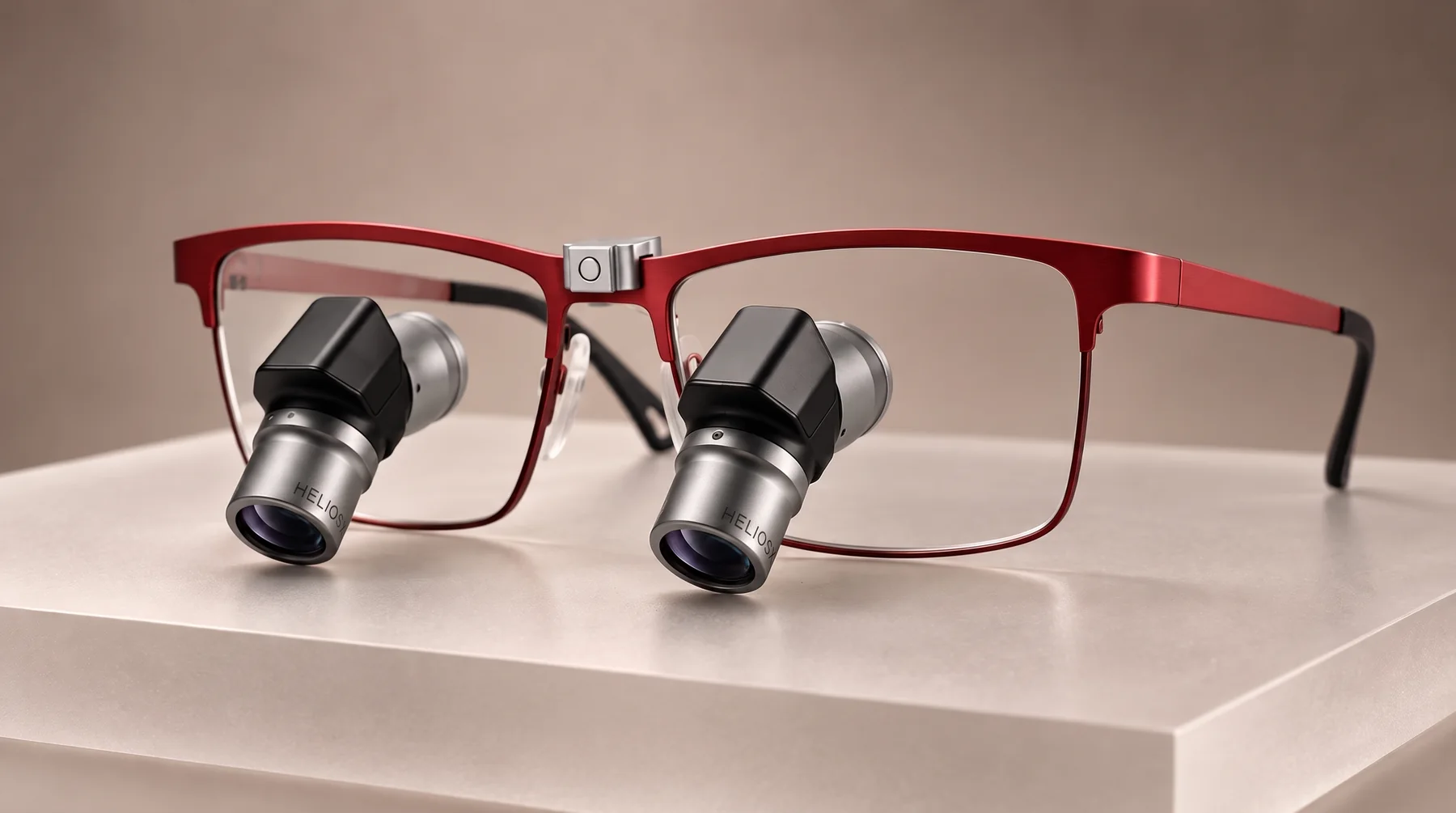
Apollo · From $1,695 USD
Your HeliosX shortlist
Compare the optical design, then choose your magnification and frame on the product page.
Ergonomic prismatic loupes for clinicians who want posture-aware clarity and high-magnification options.
Working distance is fixed to your configuration; magnification is selected at purchase.
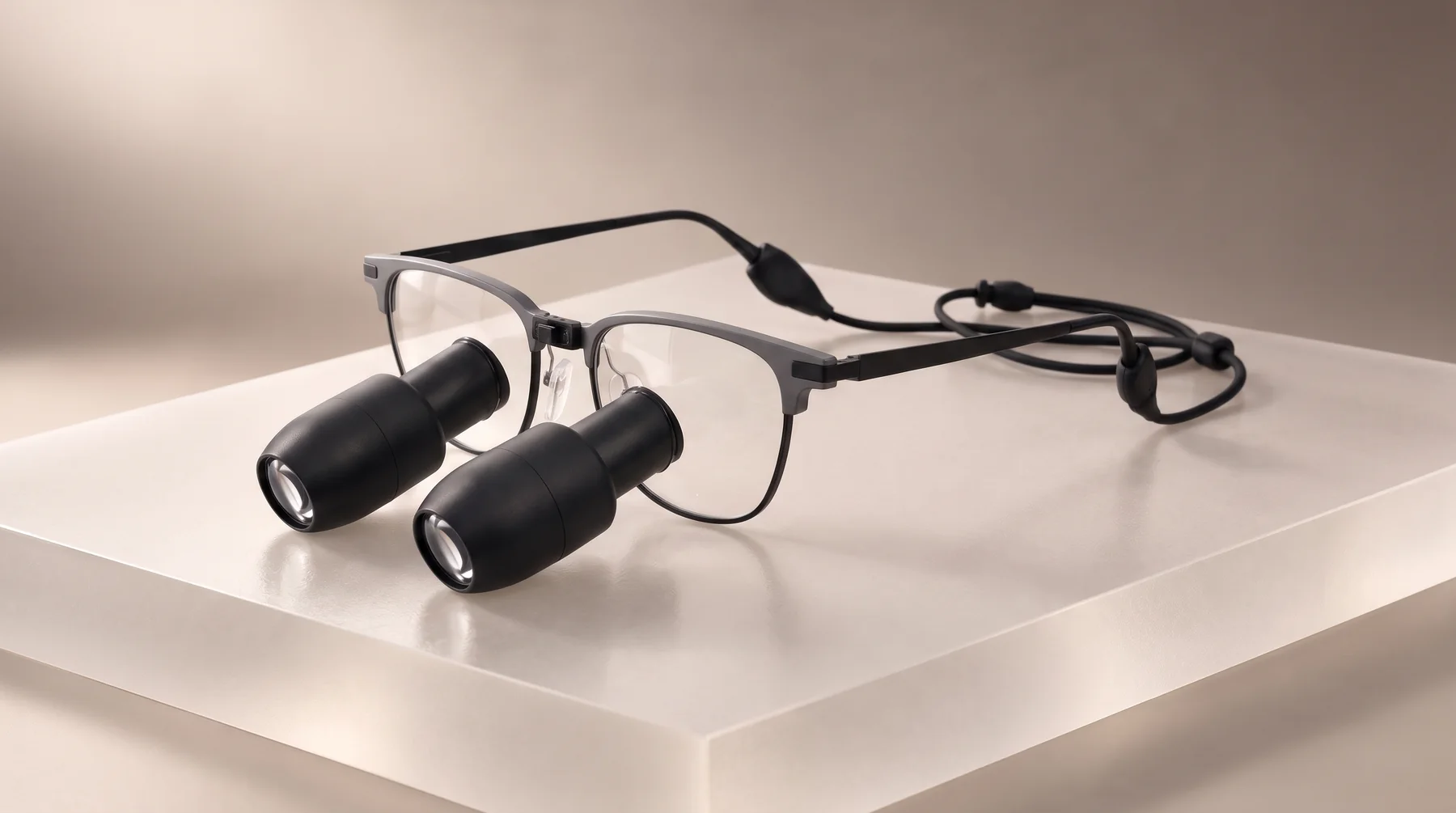
Explore ApolloErgonomic prismatic loupes with adjustable working distance for clinicians who change posture between seated and standing work.
Working distance adjusts from 300–600 mm. Magnification does not switch on the loupe.
Explore MedusaConventional prismatic loupes for higher-magnification work, available in 4.0x, 5.0x, and 6.0x.
Conventional prismatic optics. Choose Apollo or Medusa for ergonomic viewing.
Explore KeplerStarting prices in USD. Magnification and optional prescription lenses affect the total; shipping and taxes appear at checkout. See all five models.
ENT case mix ranges from sinus and tonsillar work to thyroid, otologic, and head-and-neck reconstruction. Loupes cover most of it; microscopes remain useful for very high magnification ear cases.
Apollo is the most common pick for the ENT case mix because ergonomic posture matters across long thyroid and head-and-neck cases. Medusa adds adjustable working distance, and Kepler steps in for higher-magnification otologic detail.
ENT loupes need to coexist with headlamps and, often, prescription lenses. HeliosX measurement flow accommodates both, and the frame options support standard light-source mounts.
ENT surgeons commonly use 3.0x to 5.0x for the general case mix, with otologic and reconstructive work pushing toward 5.0x or 6.0x and microscope use reserved for the highest-magnification ear cases.
Yes. HeliosX frames support standard light-source mounts. Confirm the specific headlamp model with our team if you have an unusual mount before ordering.
Premium magnification. More accessible.
Tell us your specialty, typical procedures, current magnification, and budget. We can help you narrow the options before you order.
Email opens in your mail app: heliosxloupes@gmail.com · Limited lifetime warranty